Nine Types of Box Inserts
The insert is one of the steps in making a box for the factory. It affects how good the whole box looks and feels. But for most people, they don’t know much about what the insert is made of or what it’s used for.
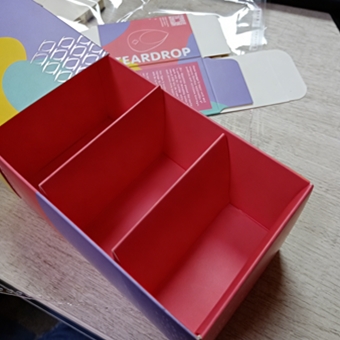
Printed to match your logo colors, this 350–400 gsm tray is designed for small items.
It provides good protection for fragile or irregularly shaped products.
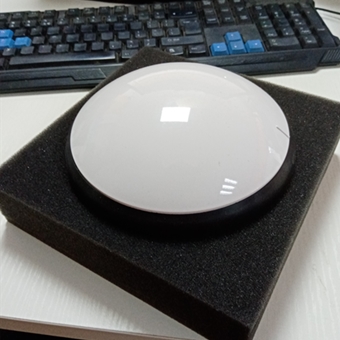
This foam material is elastic, which makes it suitable for holding large or small items, and it is also available in white.
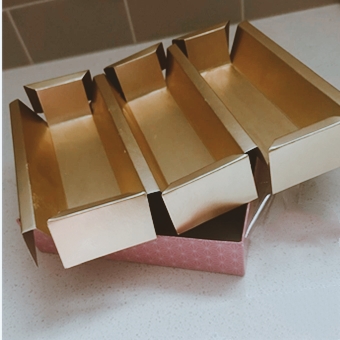
For sweet boxes, gold or silver paper inserts are used as metallic-finish paper offers a premium feel.
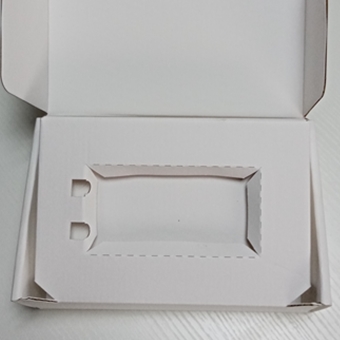
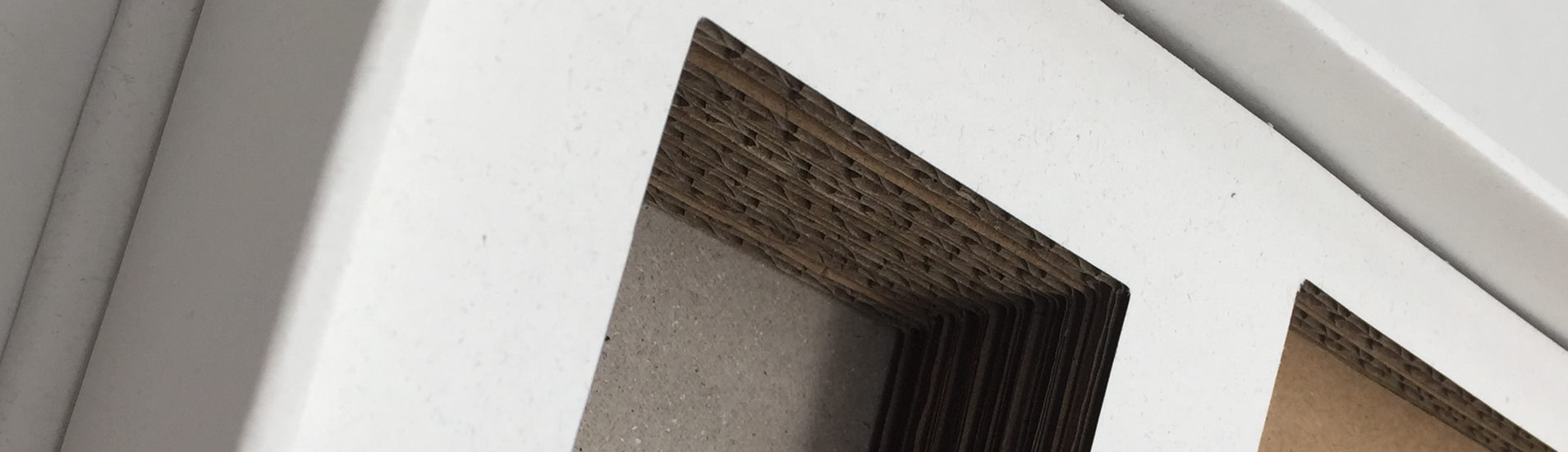
Corrugated paper tray, integrated into the box in one piece, securely holds the product in place.
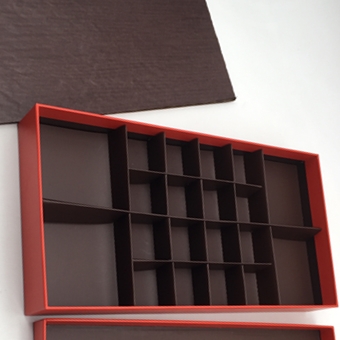
The dividers in the chocolate box separate chocolates of different sizes.
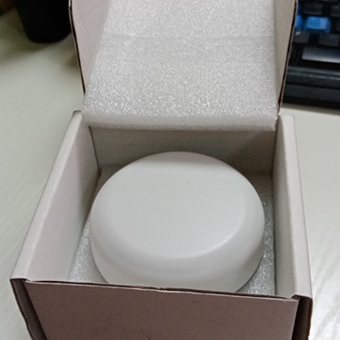
A cost-effective option, also available in black, and more affordable than sponge foam.
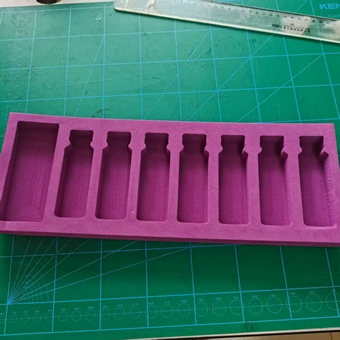
EVA is the highest-grade material, available in black or white, and offers the best shock absorption.
White Blister Inserts
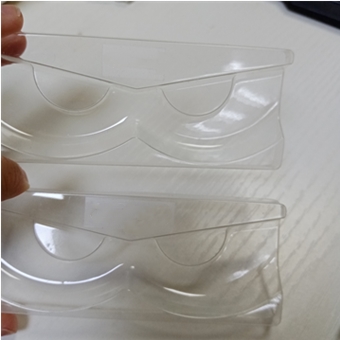
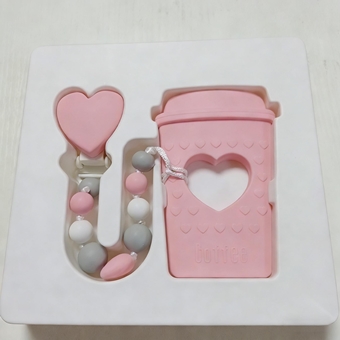
These white plastic blister trays are good for organizing multi-piece kits in cosmetics, mobile accessories, or infant care sets. They are lightweight and have a minimum order quantity of 1,000 units.
How to Choose the Right Packaging Insert
The above are common insert materials, though others are also available,such as molded pulp inserts. These are eco-friendly and customizable, but they come with a high minimum order quantity (MOQ) and cost, so they are not listed separately.
For luxury or heavy items (e.g., wine packaging),EVA is recommended for its superior cushioning and durability.
For the most cost-effective solution,paper inserts work well to separate or secure products simply and economically.
For holding many small, irregularly shaped items,blister inserts offer a simple, versatile solution.
Sponge foam or EPE foam provides reliable protection for industrial products and small electronics, pairing it with velvet fabric creates an elegant packaging solution for jewelry and accessories.